At a concert, sound is the star of the evening. At a conference it should be invisible: every delegate should hear every word without effort, whether they sit in the first row or the last. When that fails, concentration drops, fatigue sets in and the event's image suffers.
Level is not everything
The first reflex when speech is unclear is to turn it up. That usually makes things worse: in a reverberant room, a louder signal excites more reflections from walls and ceiling, and the risk of feedback increases. Intelligibility depends mainly on three things: how much direct sound reaches the listener, how much reverberation they hear, and how evenly the system covers the whole audience.
Reverberation and loudspeaker placement
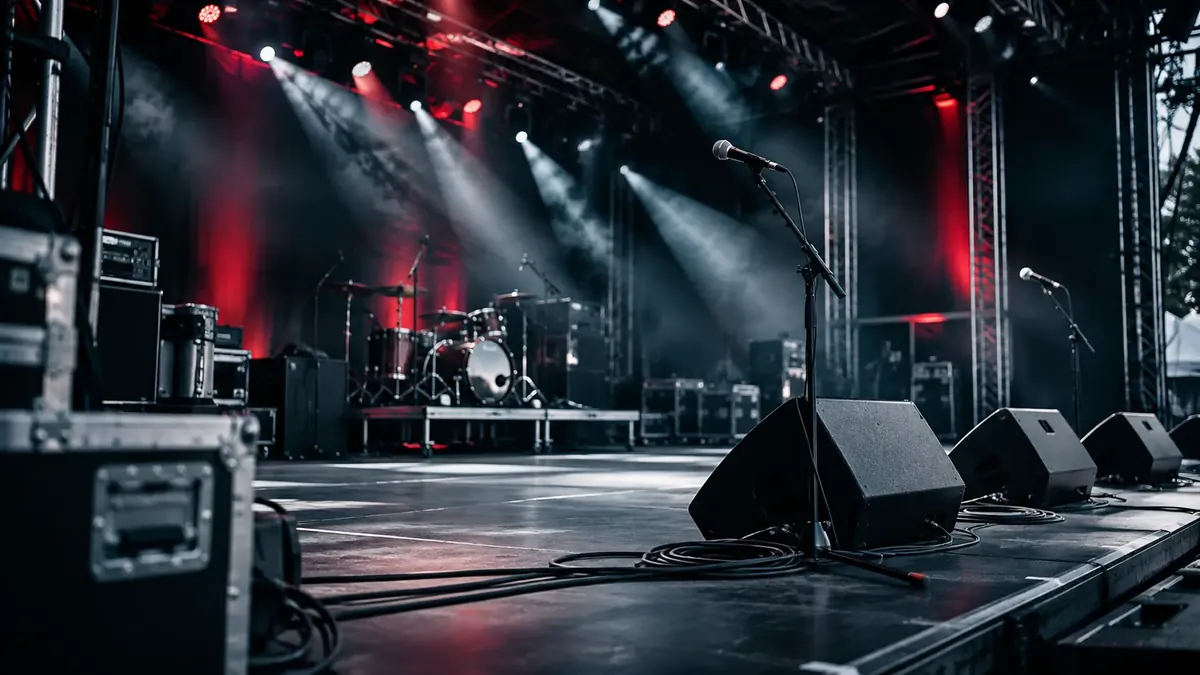
Ballrooms, halls and historic interiors usually have long reverberation times. The answer is not one powerful stack next to the stage, but a system that sends the sound to the audience rather than to the walls and ceiling. In practice this means:
- loudspeakers with controlled directivity, positioned and angled to face the audience,
- delay loudspeakers in longer rooms, time-aligned with the main system,
- front-fill loudspeakers for the first rows, which are often outside the main system's coverage,
- measuring and tuning the system in the actual room rather than using settings from memory.
The right microphone for the speaker
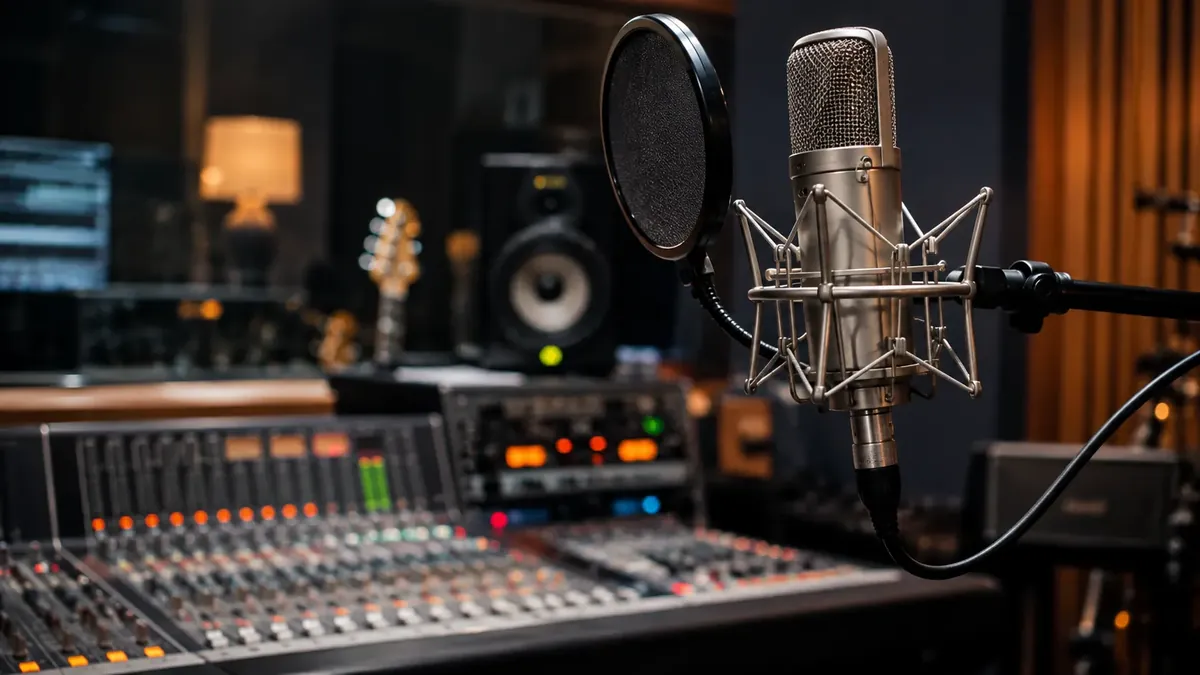
- Headset microphone – a good choice for presenters who move around. A constant distance from the mouth gives an even level and high resistance to feedback.
- Lavalier microphone – discreet, but more sensitive to head movement and clothing. It needs careful placement.
- Handheld microphone – natural for panels and Q&A. A short briefing for panellists on how to hold it pays off.
- Gooseneck microphone – for lecterns and head tables.
Stable wireless microphones
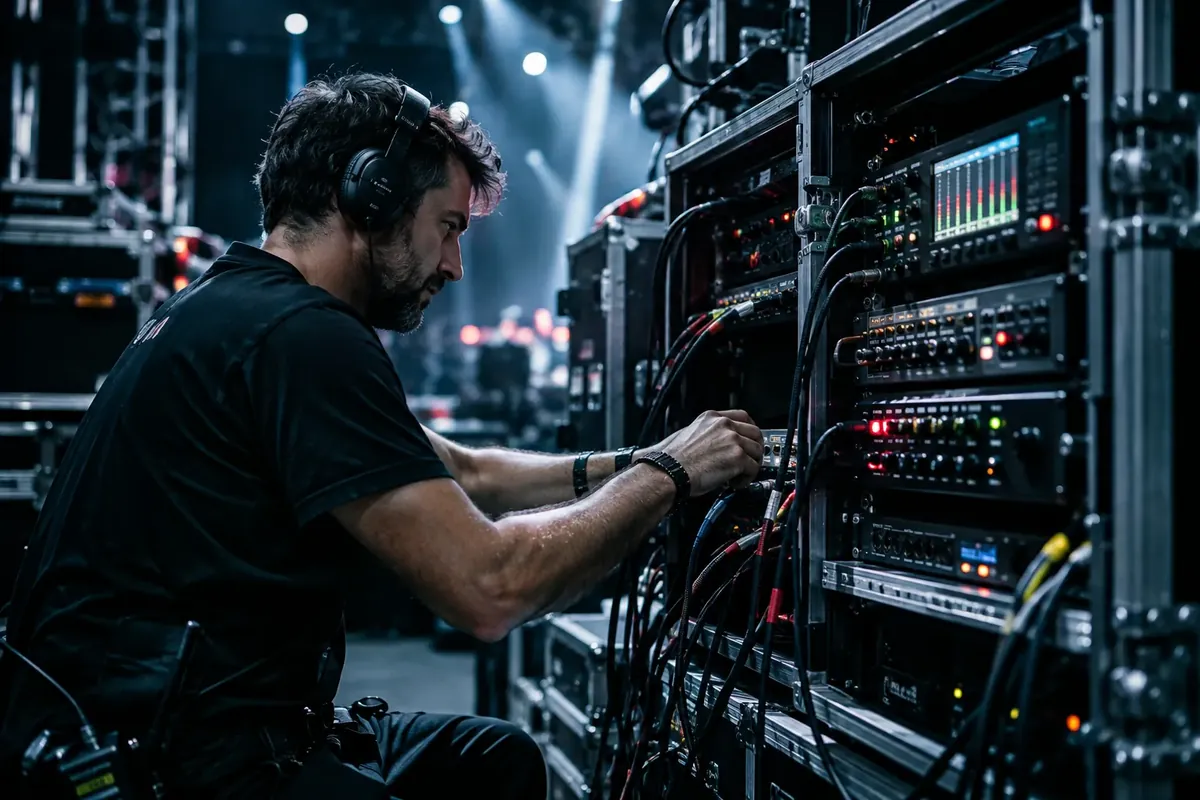
A signal dropout in the middle of the CEO's keynote is a scenario every organiser wants to avoid. In dense cities and venues full of radio devices the spectrum is crowded. Frequencies therefore have to be planned before the event and every channel monitored during it. We work with Shure Axient Digital and Sennheiser EW 500 G4 – always with spare channels.
An engineer in the room, not on the phone
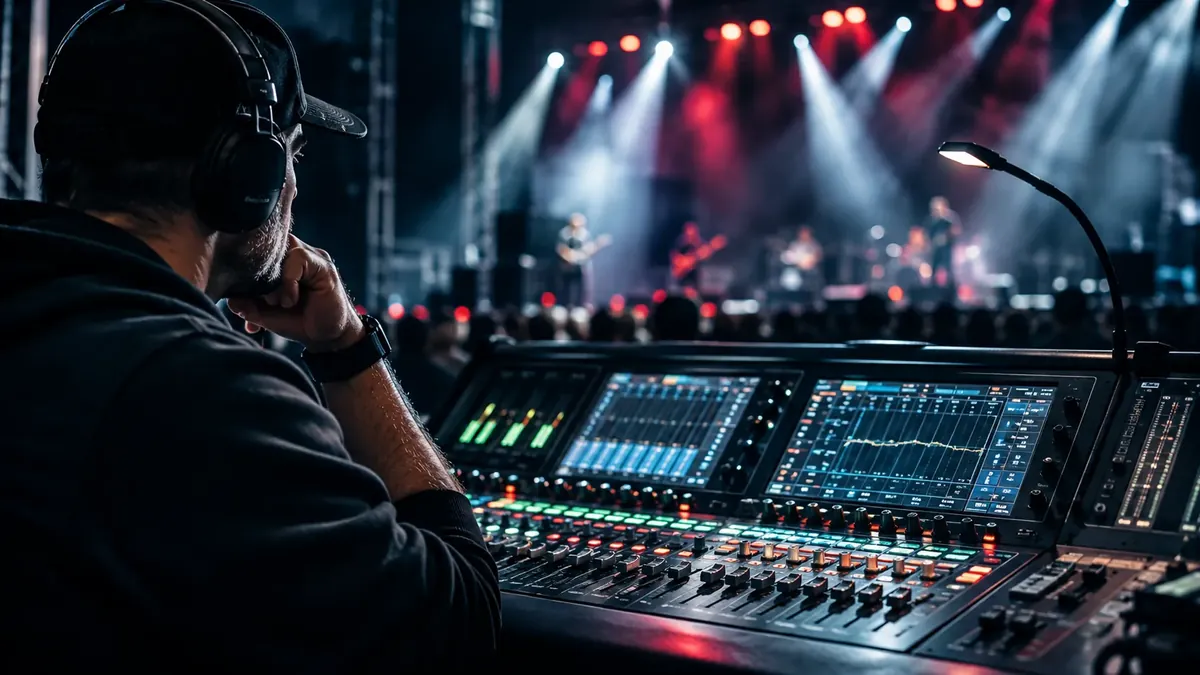
Conference running orders change constantly: an extra voice from the floor, a panel moved, a speaker who talks more quietly than at rehearsal. An engineer who follows the programme throughout reacts before delegates notice a problem. That is the difference between a technically correct event and a genuinely calm one.
A short list for organisers
- Send the room plan and a description of the interior (height, materials, glazing).
- Specify how many speakers will be on stage at once and the formats: talks, panels, Q&A.
- Schedule a short microphone check with the speakers before the start.
- Agree whether the sound also needs to feed a stream or recording.