A technical rider is not a formality attached to a performance contract. It is one of the most important documents for preparing a production in line with the requirements of the artist and their crew.
It sets out the equipment, infrastructure and technical organisation the production needs for the concert to take place under the intended conditions.
Understanding the rider matters to the organiser even without a background in sound.
What does a technical rider contain?
The scope of the document depends on the nature of the production.
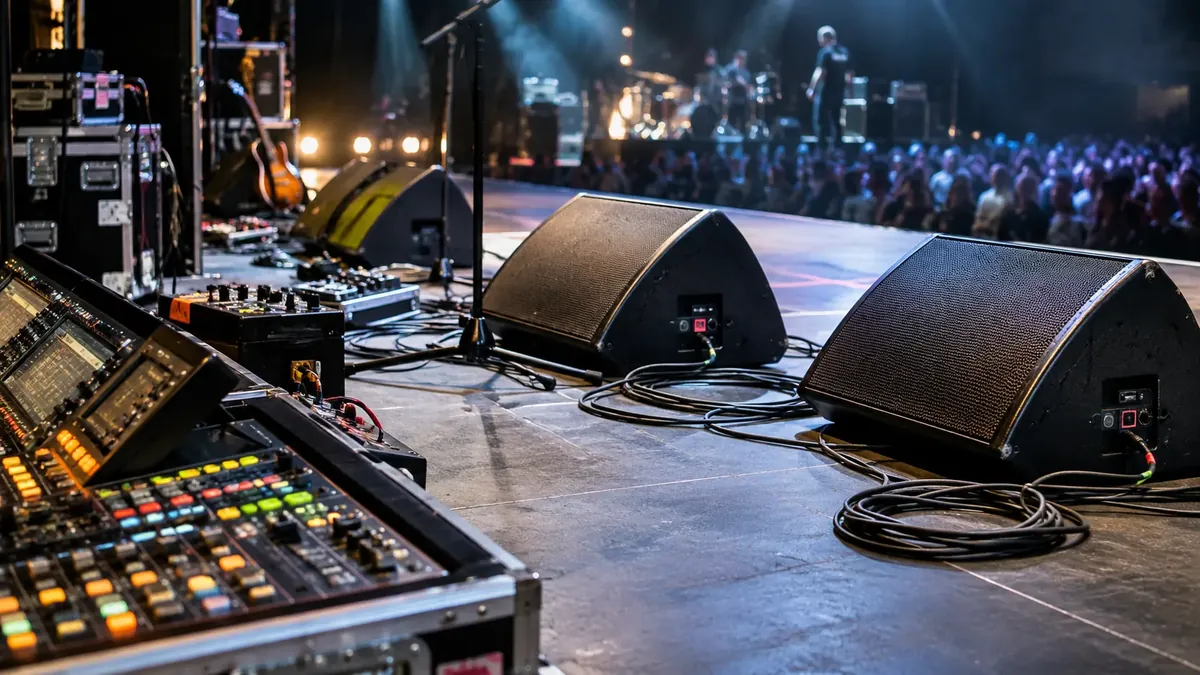
A rider can specify requirements for the main PA system, FOH and monitor consoles, microphones, monitoring, signal connections and how the stage should be prepared.
It often includes attachments such as an input list – the list of input channels – and a stage plot showing where the musicians and equipment are placed on stage.
Both documents are essential for preparing the audio system.
Input list – a map of the sound sources
The input list defines which signals have to be connected to the sound system.
It may cover vocals, instruments, drum microphones, signals from electronic instruments and additional audio sources.
For the crew, it is the basis for planning the number of channels, the types of microphones, the cabling and how signals are split.
Changes to this list should be communicated as early as possible.
An additional musician or instrument may require not just another microphone but also changes to the monitor configuration and connections.
Stage plot – organising the stage
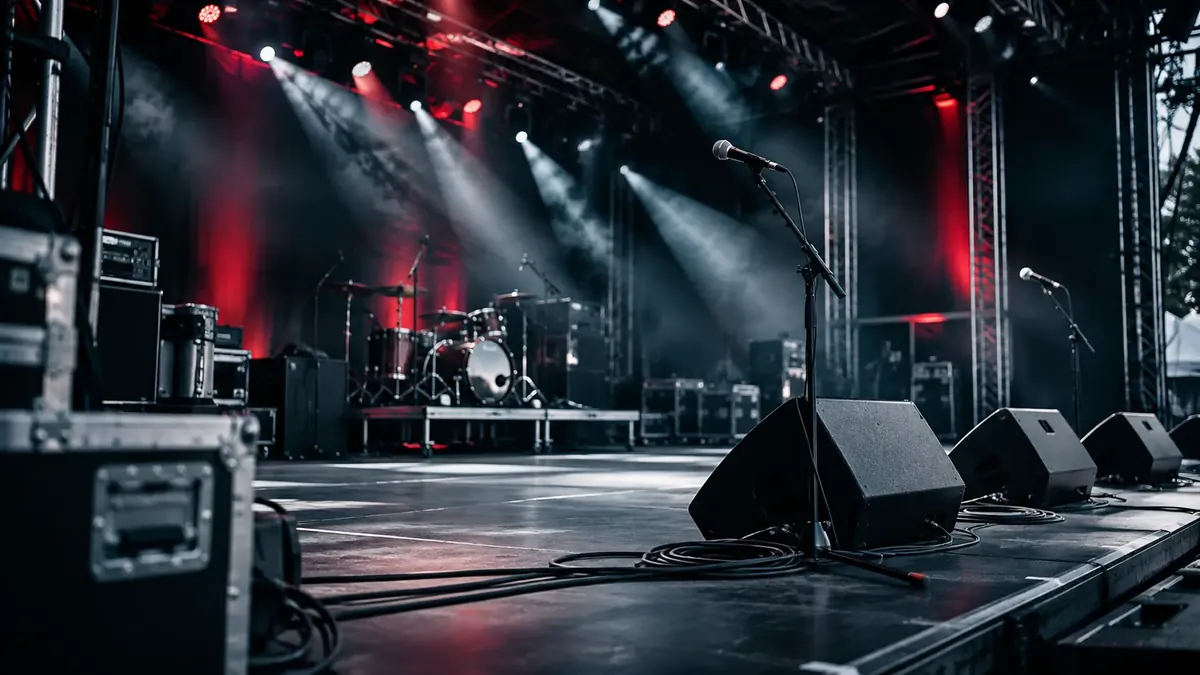
The stage plot shows where the performers and the main pieces of equipment are positioned.
This makes it possible to plan the placement of microphones, monitors, stands and cabling.
It is particularly important at festivals, where performers and stage configurations change within a short time.
A well-prepared stage plot makes the work easier to organise and reduces the number of changes made just before a performance.
Why does the console model matter?
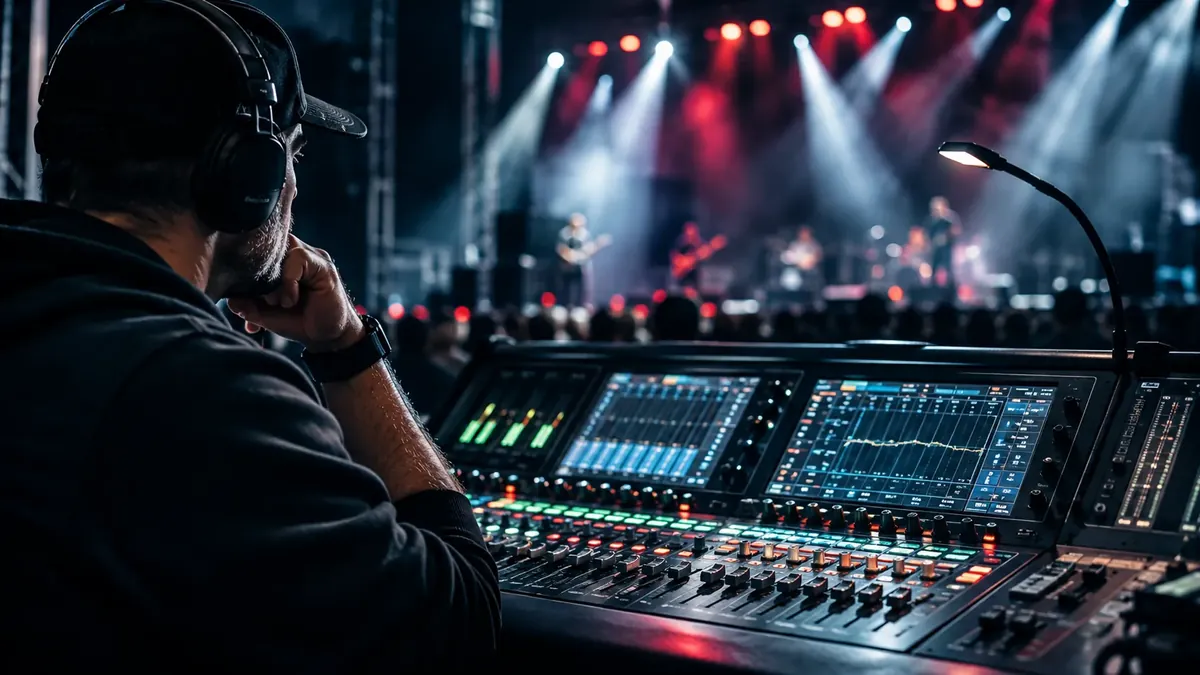
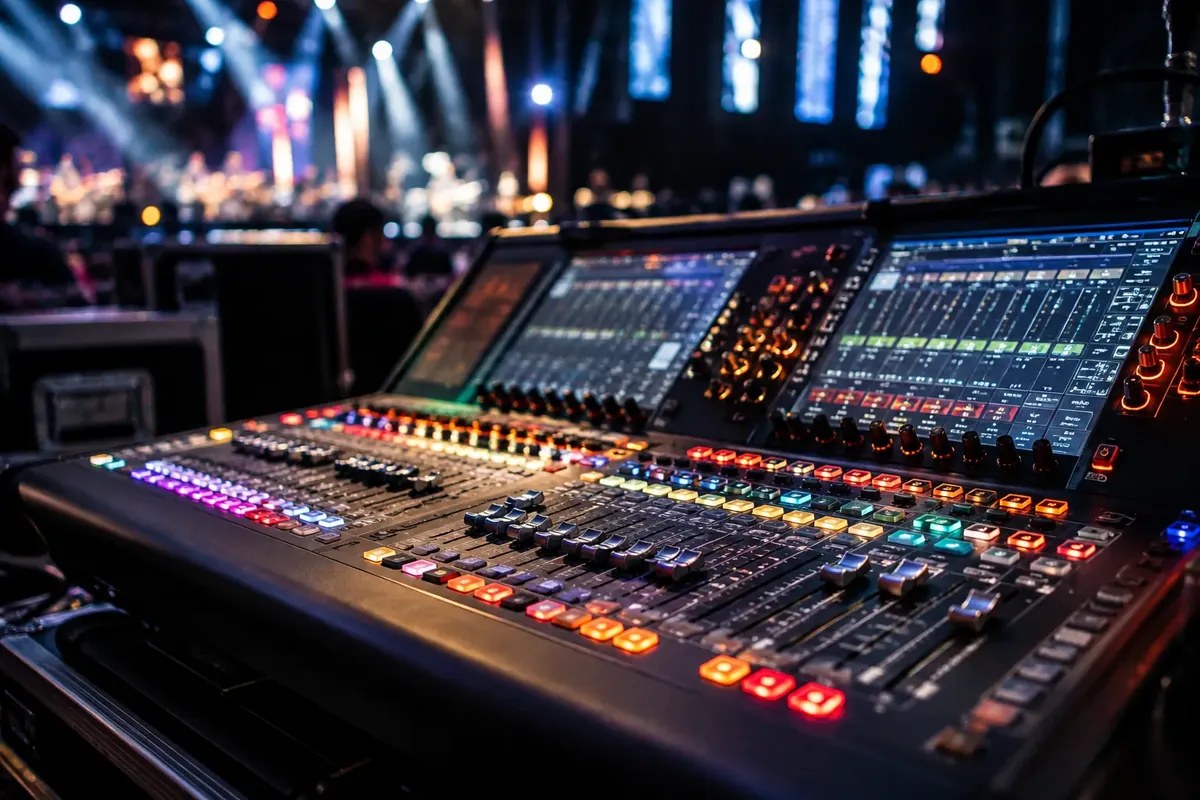
Riders often name specific mixing console models.
This is not just brand preference.
Artists' engineers work with configurations prepared in advance, know the functions of their systems and often use stored settings.
A different console may mean rebuilding the configuration and adapting the way they work.
That is why the availability of the model named in the rider should be confirmed well in advance.
MIRUSSOUND's equipment includes Allen & Heath dLive consoles and selected Soundcraft models, among others.
The choice of system and compliance with the rider should be assessed case by case.
What if the required equipment is not available?
Not every production has to run on exactly the equipment named in the original document.
Sometimes an alternative solution is possible.
However, any such change should be agreed with the person responsible for technical matters on the artist's or production's side.
It should never be assumed that devices with a similar purpose are automatically interchangeable.
The rider and the schedule
Technical requirements also affect the time needed for load-in and soundcheck.
A large line-up, a high channel count and several independent monitoring systems can extend preparation considerably.
The organiser should take this into account when setting the production schedule.
What should the organiser do?
Most important is to obtain the current version of the rider and pass it on to the sound company as early as possible.
It is also worth naming a person who can agree any changes with the artist's crew.
A rider is not an organisational obstacle. It is a tool that helps anticipate the production's requirements, limit misunderstandings and prepare the concert properly.