
Concerts and festivals
Concert and festival sound
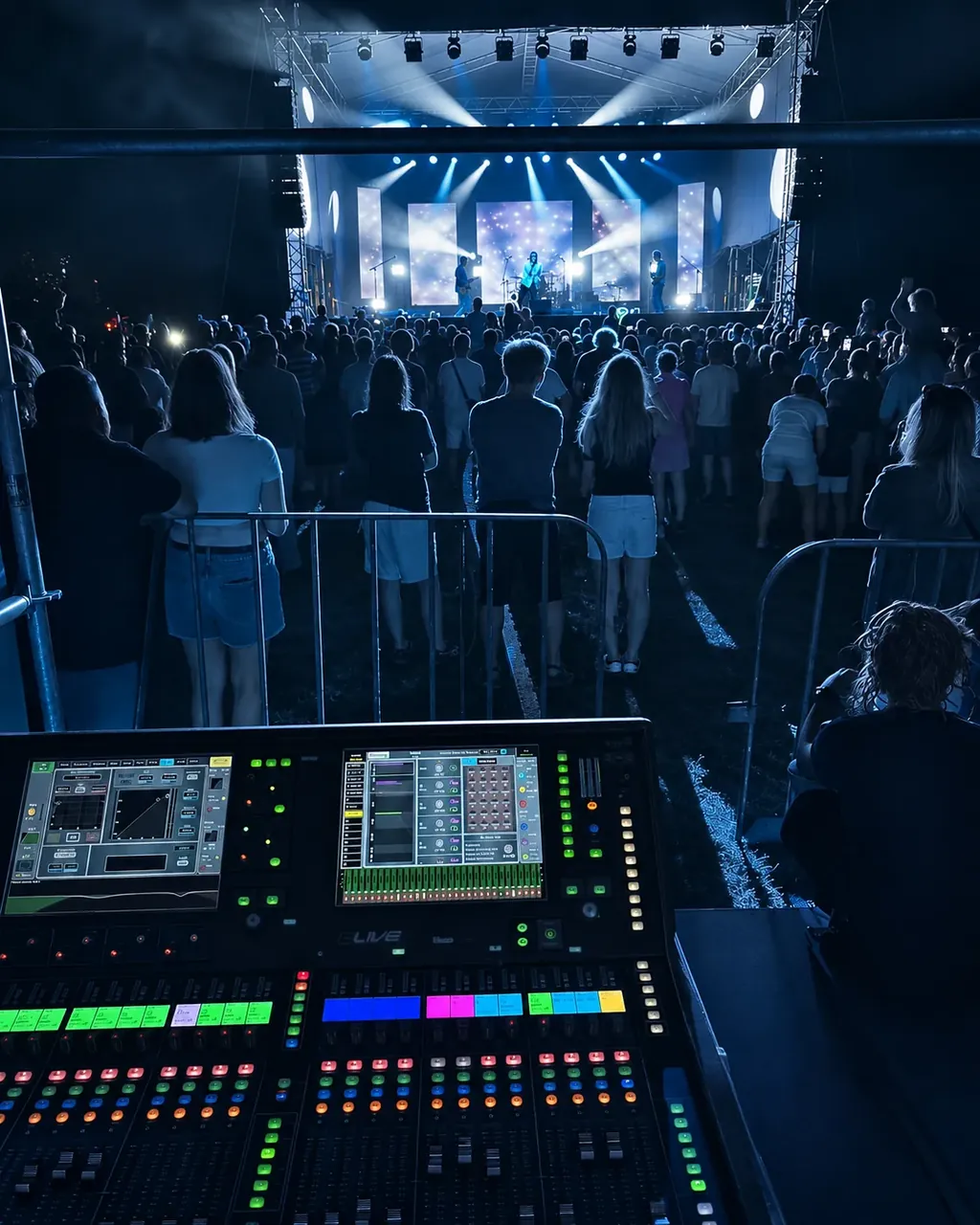
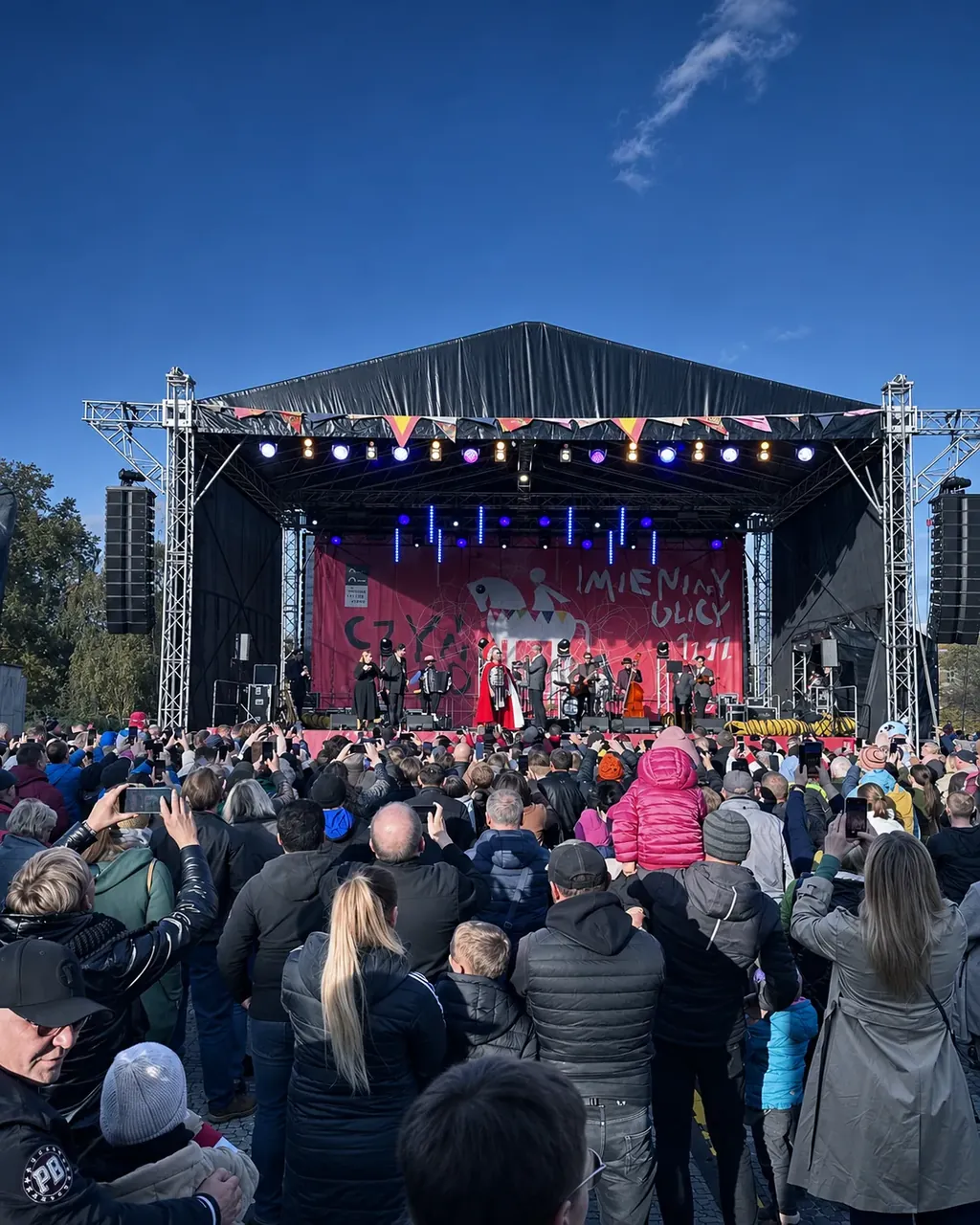
Open-air stages, arenas, concert halls and tours. We have worked with leading Polish and international artists – from rock and pop to symphony orchestras.
What this type of event needs
From the rider to the last encore
We start with the technical rider and a conversation with the artist's engineer. On that basis we choose the system – L-Acoustics KARA II or ARCS II line arrays, KS21 subwoofers, X12 stage monitors or in-ear monitoring – and the console the engineer is used to.
On site we rig and tune the system for the specific audience area. During the show our engineers run FOH and monitors – and support the artist's own engineer when they travel with one.
What the organiser gets
- Clarity and tonal balance across the entire audience area
- Comfortable monitoring – for the audience and for the artists on stage
- A faithful rendering of the music, whatever the genre
- A consistent, professional experience that reflects well on the organiser
Key technical requirements
- Even coverage of the whole audience, from the barrier to the back rows
- Stage monitoring or IEM to the artist's rider
- The console the engineer works on every day
MIRUSSOUND scope
- Design, installation and tuning of the line array
- FOH and monitor mixing, in-ear monitoring
- Support for visiting engineers
- Frequency coordination for microphones and IEM
- Transport, load-in and load-out
Related systems
- PA systems
- L-Acoustics KARA II, L-Acoustics ARCS II, L-Acoustics SYVA, L-Acoustics KS21, L-Acoustics X12, L-Acoustics X8, L-Acoustics 5XT, L-Acoustics LA12X, L-Acoustics LA4X
- FOH and monitor consoles
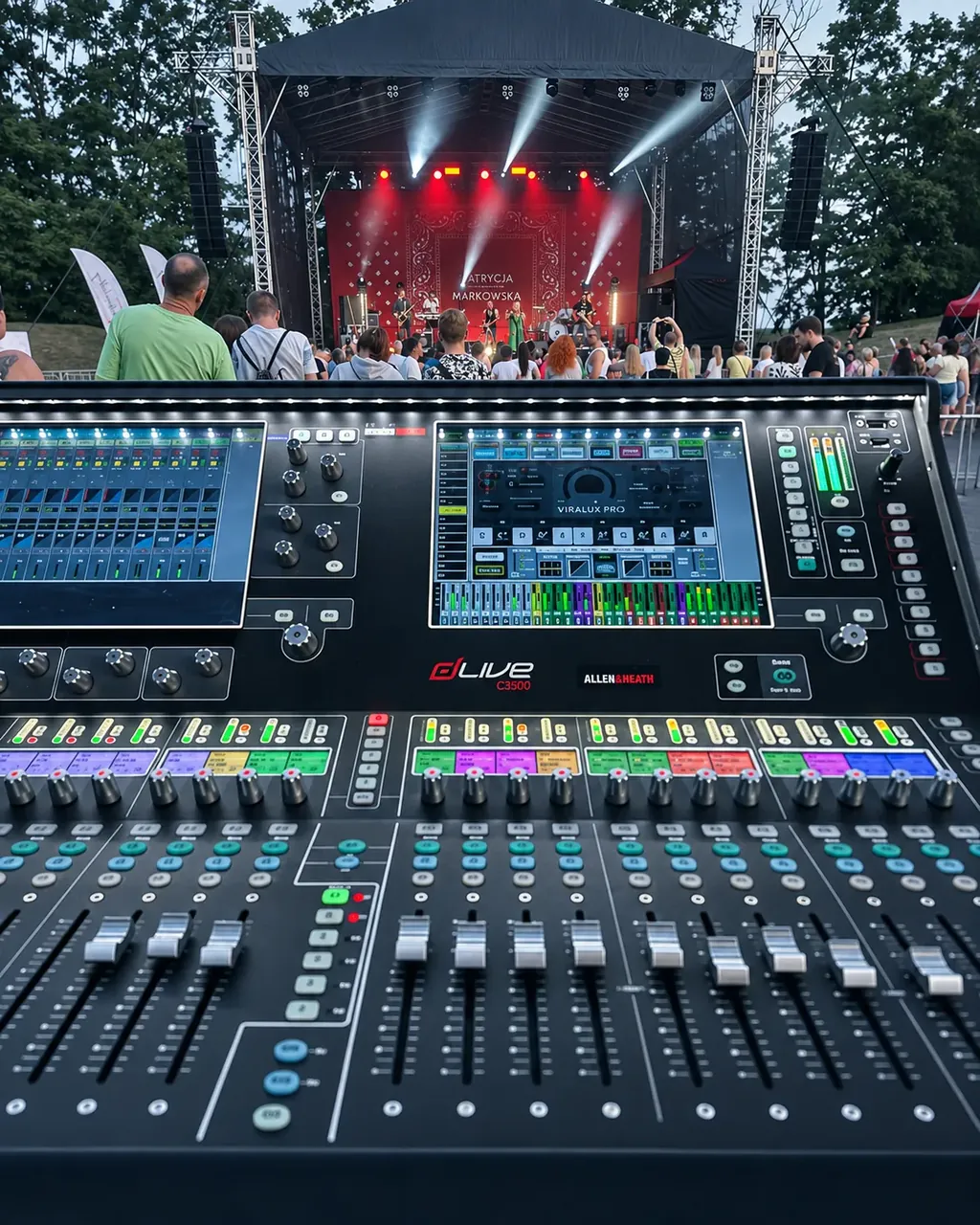
- Allen & Heath dLive S5000, Allen & Heath dLive C3500, Allen & Heath dLive C1500, Allen & Heath SQ5, Soundcraft Vi1, Soundcraft Ui24R
- Wireless microphones
- Shure Axient Digital, Sennheiser EW 500 G4
- IEM and personal mixers
- Sennheiser EW IEM G4, Allen & Heath ME-1
How we work together
How we prepare the production
- 01
Rider and talk with the engineer
The rider is the starting point; substitutions are agreed before the event.
- 02
System and console selection
Line array, subs, monitors or IEM, and the console the engineer works on every day.
- 03
Installation, tuning and soundcheck
Tuning for the specific audience, followed by a full soundcheck.
From our productions
Symphonic productions
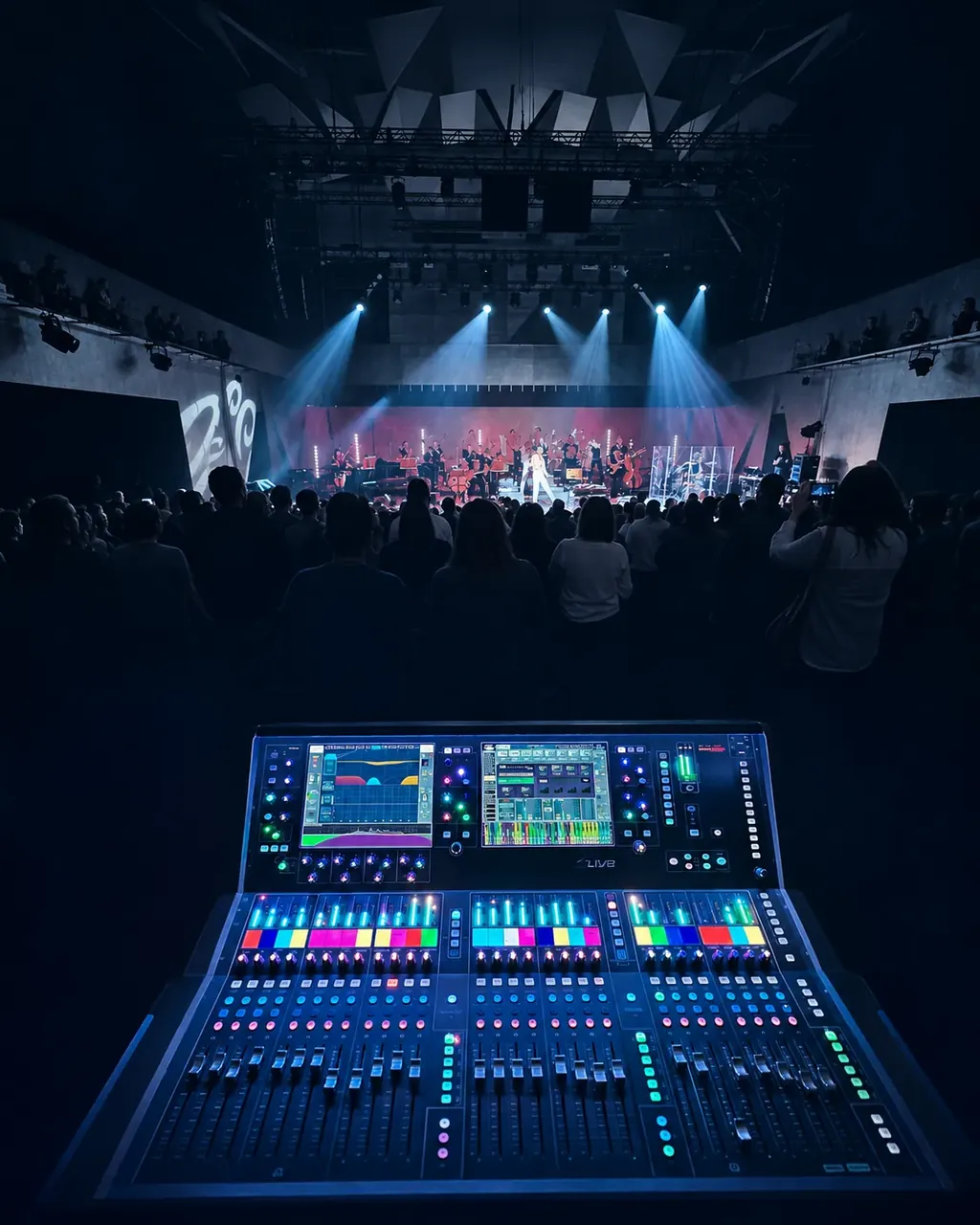
An orchestra on an open-air stage is one of the most demanding jobs in live sound: dozens of sources, delicate acoustic instruments and a rhythm section side by side. Our work includes concerts with the Poznań Philharmonic, Polska Orkiestra Musicalowa and the Adam Sztaba Orchestra, and productions such as Queen Symfonicznie and Star Wars Symfonicznie.
How we amplify an orchestraInsights
Related articles
-
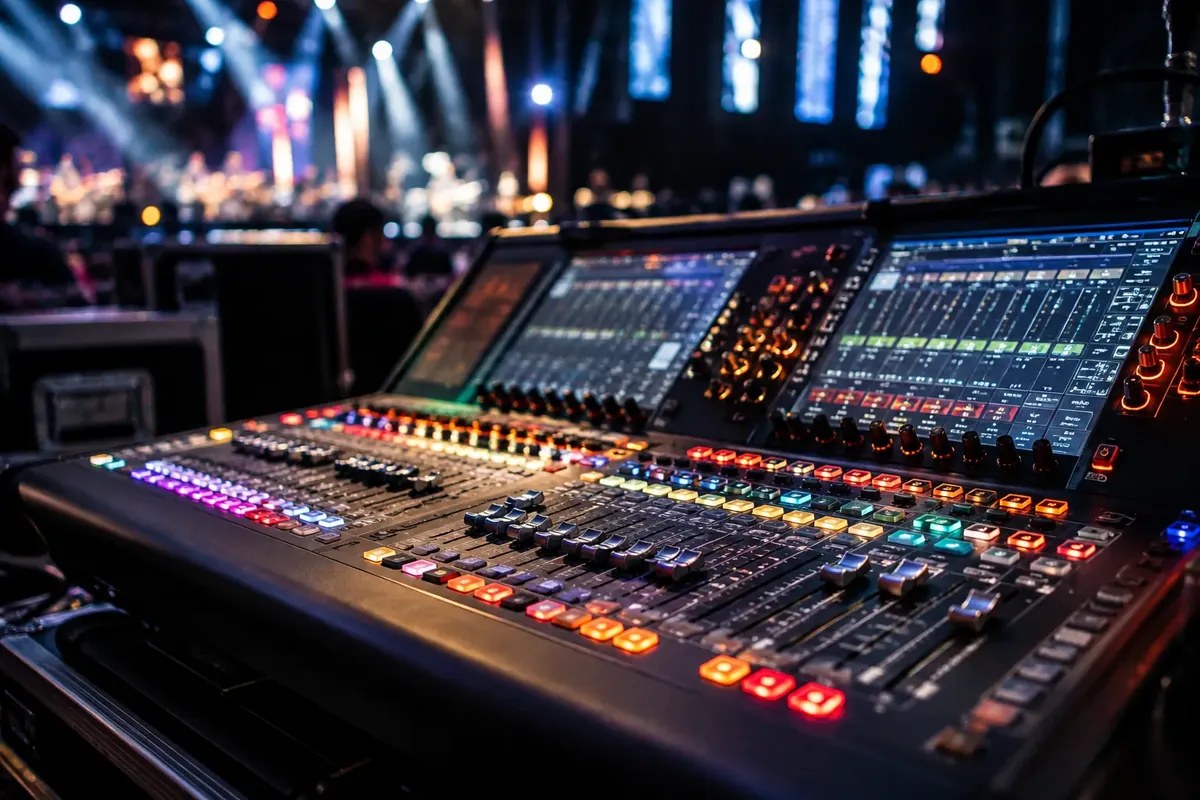
FOH, MON and IEM: three perspectives on one concert
The audience and the musicians need a different picture of the sound. How FOH, monitor mixing and in-ear monitoring differ – and why they have to be planned together.
Read -
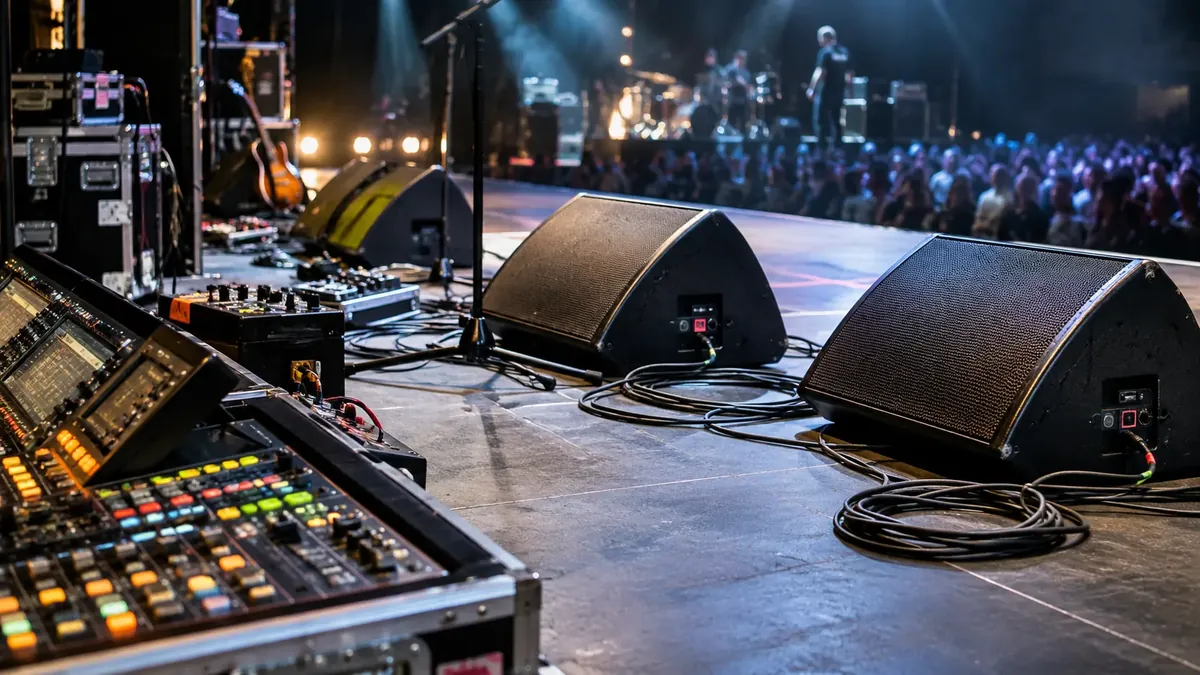
The artist's technical rider: what organisers need to know and why it matters
A technical rider is not a formality. What it contains, what an input list and stage plot are, why the console model matters and what the organiser should do.
Read -
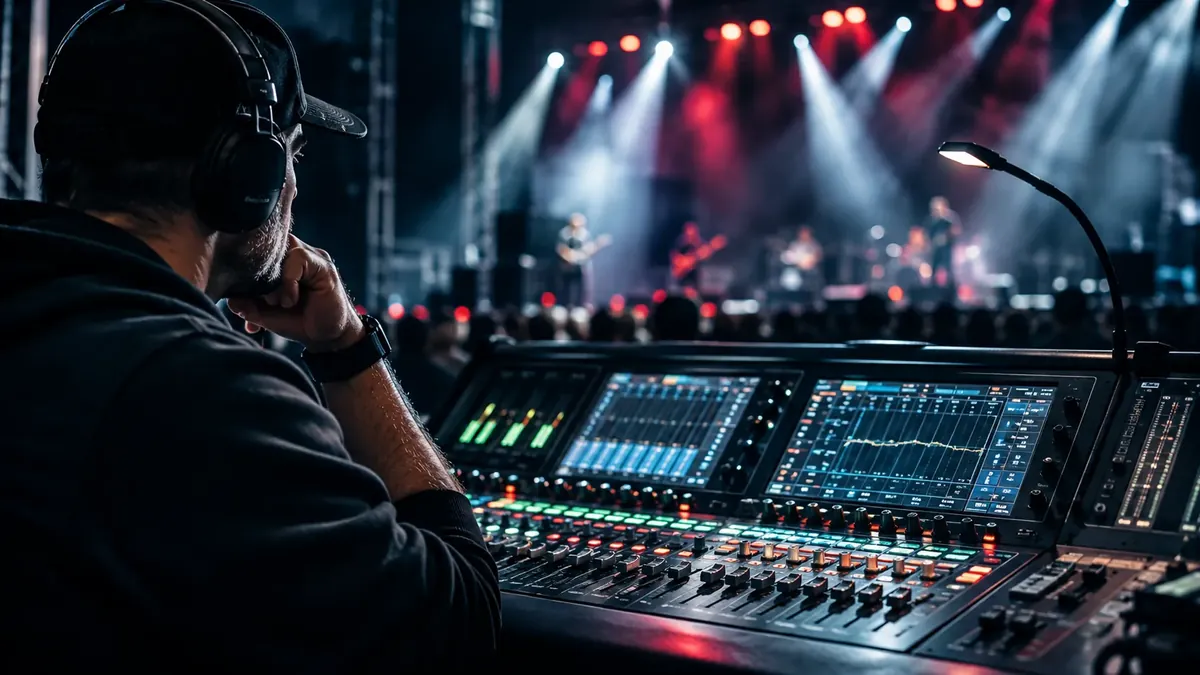
What happens behind the console? The sound engineer's role during a concert
The engineer's work starts long before the concert. System preparation, soundcheck, reacting live and working with the crew – what happens behind the console.
Read
FAQ
Questions organisers ask most often
Do you work from the artist's technical rider?
Yes. The rider is the starting point for choosing the system, console and monitors. Where the rider needs alternatives or clarification, we agree them directly with the artist's engineer.
Do you provide a sound engineer?
Yes. Our engineer or team of engineers works at every event. When an artist travels with their own engineer, we provide system support and on-site technical assistance.
How early should we book?
The earlier the better – especially in the open-air season. Booking early also gives you better pricing.