Symphonic productions – film music concerts, symphonic versions of rock classics, shows with orchestra, choir and soloists – are among the most demanding tasks in live sound. The MIRUSSOUND portfolio includes concerts with the Poznań Philharmonic, Polska Orkiestra Musicalowa and the Adam Sztaba Orchestra, as well as productions such as Queen Symfonicznie, Beatles Symfonicznie and Star Wars Symfonicznie.
Why it is so difficult
In a concert hall the orchestra carries on its own – the room is designed to support its natural sound. On an open-air stage or in an arena that support is missing, and the audience is many times larger. Every section has to be amplified while keeping its natural character. On top of that there are usually drums, guitars and vocals – sources many times louder than the violins a few metres away.
Microphones close to the instruments
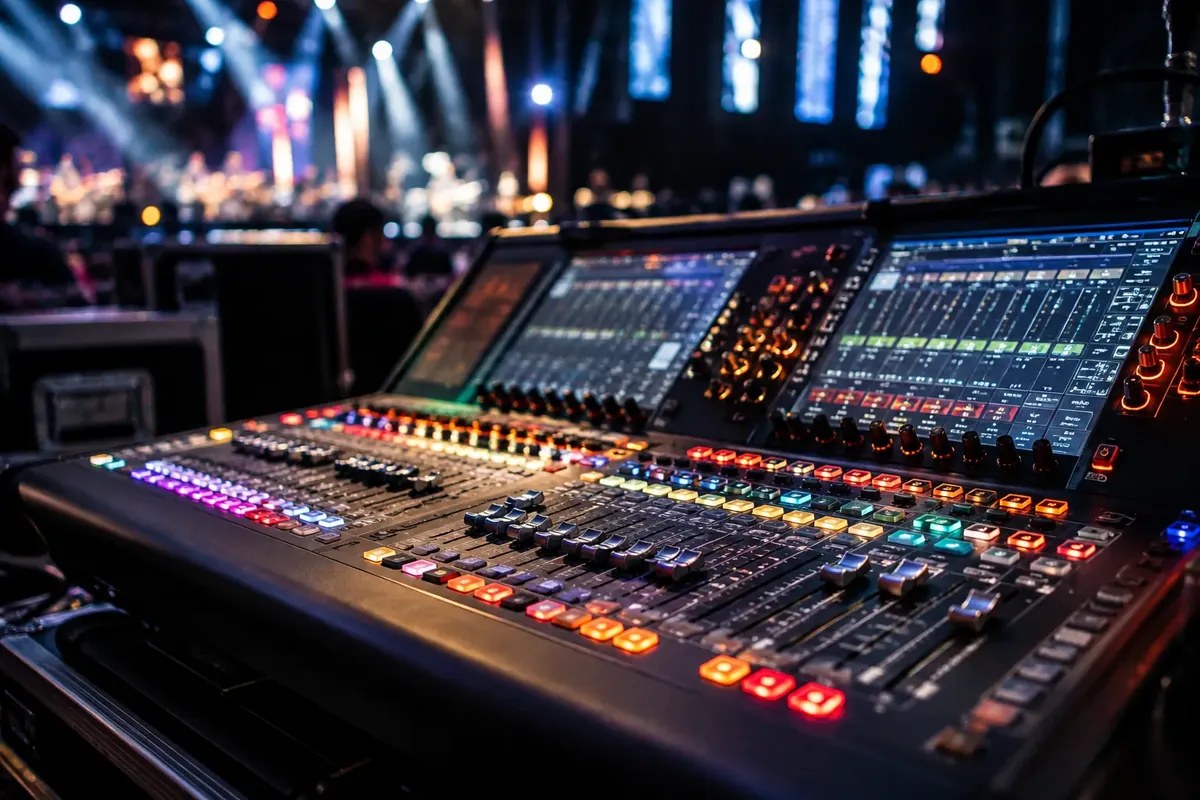
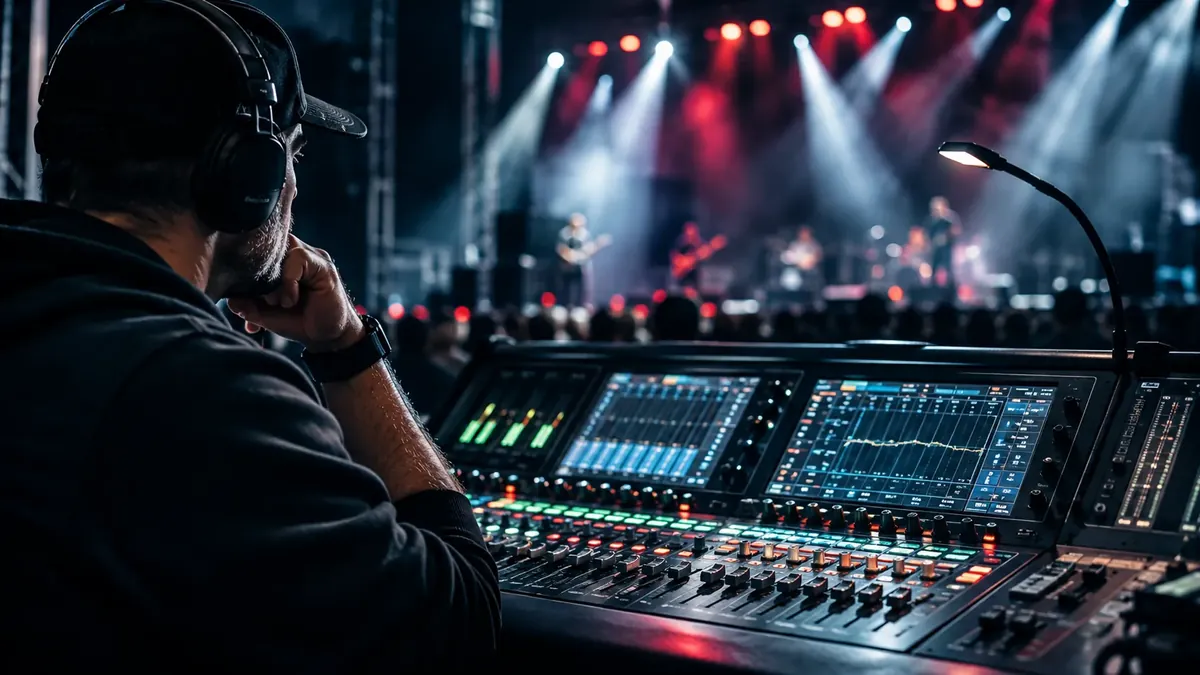
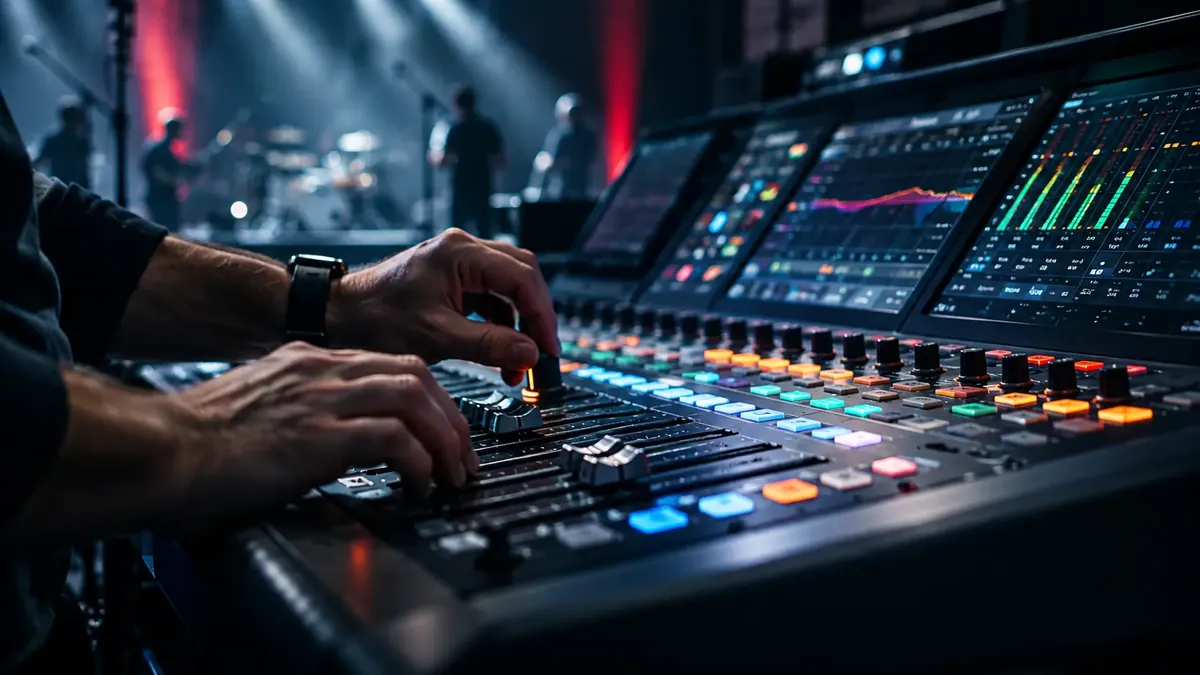
The key is separation: the closer the microphone is to the instrument, the less it picks up from its surroundings and the more gain is available before feedback. That is why symphonic productions use microphones mounted directly on string and wind instruments, plus carefully positioned section microphones. The channel count grows quickly – hence the need for a console that can handle it and keep the engineer in control. We mix on Allen & Heath dLive consoles.
Monitoring for musicians and conductor
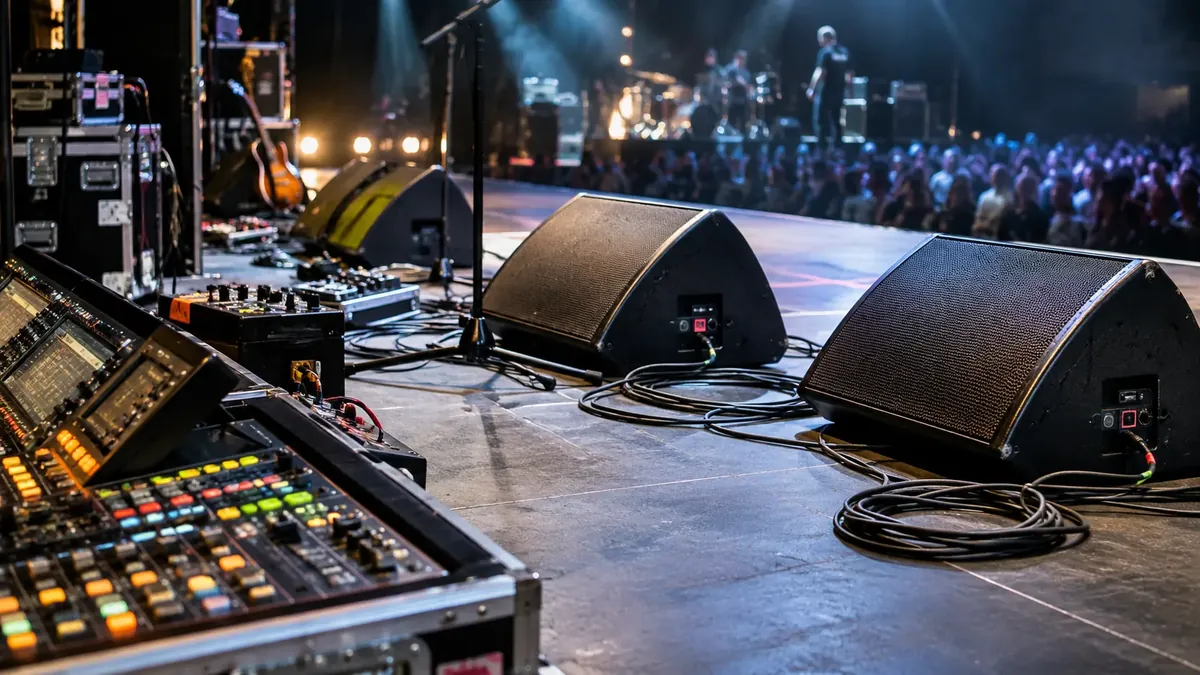
Orchestral musicians are used to hearing each other acoustically. On a big stage, next to the rhythm section and the PA, that no longer works. Stage monitors have to be placed so that each section hears what it needs to play together – and the conductor has a full picture of the whole. For some line-ups, in-ear monitoring and personal monitor mixers such as the Allen & Heath ME-1 work well.
Outdoors: weather and time
- Wind affects microphones and can shift the sound across the audience – windshields and careful system placement are essential.
- Humidity and temperature affect the instruments and the orchestra itself; the stage must protect against sun and rain.
- Rehearsal time – with dozens of channels, a soundcheck takes longer than for a rock band. Plan it with a reasonable margin.
Consistent sound across the audience
A symphonic audience expects transparency: the strings in pianissimo should be as audible as the full tutti. A line array – in our case L-Acoustics KARA II or ARCS II with KS21 subwoofers – allows precise audience coverage and a similar sound in the first and the last row.
What to prepare as an organiser
- The orchestra line-up and stage plot.
- The ensemble's technical rider, and the engineer's if the production travels with one.
- Stage dimensions – an orchestra needs far more space than a band.
- A schedule with realistic time for load-in, microphone placement and rehearsal.